Search for adverts in the UK
36977 Search for adverts in the UK
10


Boost
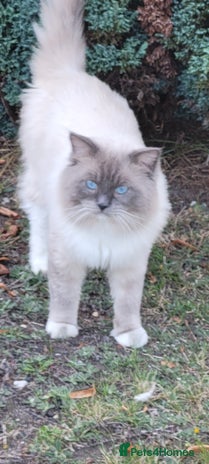
RAGDOLL BLUE POINT MITTED STUD
£150Ragdoll4 years
He is available for stud duty .He is extremely friendley and gentle .Our beautiful ragdoll male that knows his job well.He is genetic tested as well ..He has litters of beautiful chunky kittens. He is large male he's gentle giant. Your girl will kept in a separate room inside our home ,room is safe and secure. I will provide regular update while your beautiful girl is wSheeri R.
Slough, Berkshire
141


Boost
True Multigen labradoodles
£1,500Labradoodle9 weeks3 male / 2 female
Only 1 little girl left! True mini, petite and perfect in every way. A very calm cuddly girl, she can be cheeky and very endearing. Only still unreserved because P4H closed my advert in error. Black mini girl £1500..................................... May 27th our mini labradoodle Eloise had her first litter of puppies. She gave us 5 beautiful perfect pups, 3 boys and Karekiley Labradoodles
Northampton, West Northamptonshire
9


Boost
‼️Miniature blue and tan boy still available‼️
£800Dachshund6 weeks2 male / 2 female
Here I have my 4 beautiful baby’s 2 boys 2 girls looking for there loving for ever home.they are very playful and loving they love lots of cuddles.mum is a red pie miniature and dad is a Isabel and blue merl miniature mum and dad are both KC registered but puppies are not Kc mum and dad are both health tested.puppies come first vaccinations,wormed,fled,and micro chipped. Chantel T.
Barnsley, South Yorkshire
11


Boost
🐶Cockapoo Puppy🐶
£600Cockapoo9 weeks6 male / 2 female
***DEPOSITS NOW BEING TAKEN *** Please see individual puppy breakdown for prices. We are thrilled to announce the arrival of 8 precious Cockapoo puppies! These little bundles of joy are already melting hearts with their sweetness, and they’ll soon be ready to find their loving forever families. 💕 About the Puppies: * Breed: Cockapoo * Litter Size: 8 (6 boys and 2 girlMARY H.ID verified
Leyland, Lancashire
391


Boost
Miniature Poodle Puppies
£850Miniature Poodle6 weeks5 male / 1 female
I have a lovely litter of 6 Miniature Poodle Puppies. There are 4 Black boys a Blue Merle boy and a champagne girl. Mum is Black and DNA tested clear for hereditary disease that affect the breed and dad is Blue Merle and also tested clear for hereditary diseases. A copy of their test results is available for you to see. The puppies will be vet checked,Microchipped and fullSam H.
Aylesbury, Buckinghamshire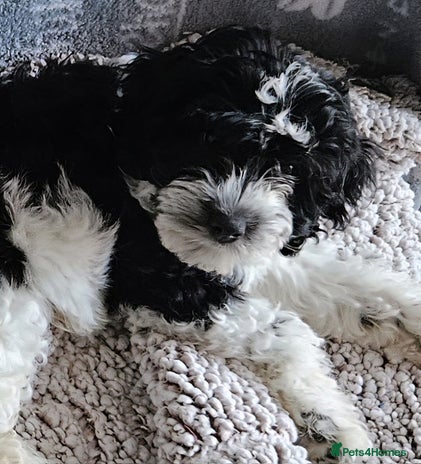
15


Boost
1 beautiful boy left!
£1,200Maltipoo12 weeks2 male / 3 female
Here's a beautiful and very colourful litter of pups. This is mums 1 and only litter. Mum is a beautiful little blueroan Maltese cross. dad is my KC registered cafe latte miniature poodle. I also have mum's half sister, who's a full Maltese. They have been raised in the heart of the house and have been around children from a year. Male: Black and white Brown and white (hLAUREN H.ID verified
Tunbridge Wells, Kent
Licensed Breeder
4


Boost
Toy poodle puppies available
£850Toy Poodle9 weeks3 male
We have the most stunning litter of toy poodle puppies available now. Mum is our stunning toy poodle pet and dad is our very own toy poodle stud dog. Puppies have been spared no expense with their upbringing and being attached to a veterinary clinic they have had the best of everything since day 1. To view or for any more information please feel free to get intouch. CTudor HouseID verified
Wolverhampton, West MidlandsLicensed Breeder

7


Boost
Miniture poodle
£1,500Miniature Poodle4 weeks2 male / 1 female
We are delighted to offer our beautiful litter of miniture Poodle puppies – currently 3 weeks old – 1 sweet girl and 2 charming boys. These puppies are raised in our loving home and receive constant attention, affection, and socialisation. They are already showing individual personalities and love being around people. You will meet mum – a calm, affectionate miniture PoodRia W.
Port Talbot, Neath Port Talbot
8


Boost
🐾English Springer Spaniel Pups🐾
£650English Springer Spaniel10 weeks4 male / 2 female
Here I have these beautiful puppies looking for there forever homes 🏡 Mum is our family pet and has the best temperament and loves lots of cuddles and attention and is brilliant with children. Puppies are raised round children and other dogs. They will be microchipped my law and will be wormed to date. Ready to leave! 🐶 ************ 📞Tom
Maidstone, Kent
1
Boost
White Eared Continental Giant Doe RESERVE
£100Continental Giant1 yearMale
2 White eared yellow babies. A Buck and a Doe available. These were born 12/06/2025. Ready to leave 21/08/2025. 1/ Buck. RESERVED 2/ Doe £100 each. Have been panacured as a precaution I will require a £10 deposit to reserve the bunny of your choice. Currently living outside They will come with some changeover food. Cash ONLY on collection. Spartan LockID verified
Doncaster, South Yorkshire
6


Boost
Springador puppies!
£750Springador5 weeks6 male / 5 female
Please message Asap to book a viewing as very high interest! We are excited to announce our beautiful litter of 11 Springador puppies—a perfect mix of Labrador and Springer Spaniel— Will be ready to go the week commencing 18/08/2025! About the Puppies: • Born on 25/06/2025 • Available from 18/08/2025 • 5 Bitches • 6 Dogs • Vet checked and microchipped • Wormed and flea trBrionie W.
Banbury, Oxfordshire
7


Boost
PURE WHITE PEDIGREE GCCF REGISTERED BRITISH
£900British Shorthair7 weeks2 male / 1 female
Three very beautiful pure white (will have orange eyes their eye colour is still developing at the moment as they grow over the coming weeks) FULL PEDIGREE BRITISH SHORTHAIR KITTENS. 2 x Male 1 x Female Ready around the 9th of September for their new homes. I have been exhibiting and breeding British Shorthairs under my GCCF prefix since the late 90's All kittens lWILLOWOOD BRITISH SHORTHAIRS "GCCF REGISTERED"ID verified
Wokingham, Berkshire
12


Boost
7 Gorgeous golden retrievers puppies
£2,500Golden Retriever3 weeks3 male / 4 female
We have 7 gorgeous golden retrievers looking for their forever home. The golden retrievers will be kc registered, parents are health tested with excellent hip and elbow scores also dna tested and eyes. The puppies will be flea wormed, mirochipped and vet checked we are giving new owners the opinion of Vaccinations (we know some people won't want to travel back to are vets KELLY S.ID verified
Castleford, West Yorkshire
183


Boost
BSH BLACK TIPPED KITTENS GCCF REGISTERED
£750British Shorthair12 weeks3 male
Debauras British Shorthair follow our page for future litters. We have a new litter available 2 girls 1 boy. We have a lovely litter of three beautiful black tipped boys off champion lines. Viewings can now be arranged. They are off health tested parents and will be registered with the Gccf (non active). They have a beautiful silvery coat with black tipping and beautifulDebaurasID verified
Askam-in-Furness, Cumbria
5


Boost
Gorgeous Shih Tzu Puppies
£950Shih Tzu15 weeks3 male / 2 female
Our dolly has had a litter of 5 beautiful puppies, all with lovely colours. The puppies have already had their first vaccination along with their microchips. There is boys and girls available. The boys have a bow tie in their necks. The two girls have a small bow on their heads. Please do not hesitate to message for any further information or call me via my email phone numJURGITA K.ID verified
Clacton-on-Sea, Essex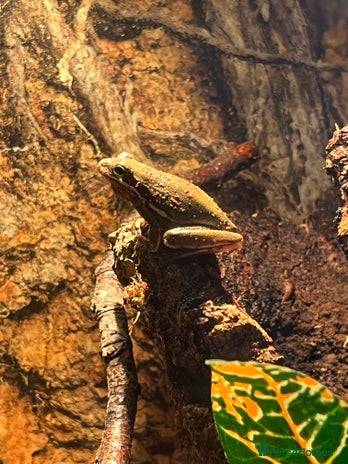
2
3 American green tree frogs
£60FrogMixed
Selling 3 American green tree frogs. They are all juvenile unknown genders. They are adorable and fun very jumpy all healthy. Daniella A.
Okehampton, Devon
193


Boost
Springer spaniel puppies
£750Welsh Springer Spaniel & English Springer Spaniel Hybrid8 weeks3 male / 4 female
READY TO GO ***LAST ONE** Mother is a springer spaniel and father is English working springer spaniel. All puppies will be microchipped and first vaccine. Mother can be seen with puppies. Please contact ************ Catherine CATHERINE C.ID verified
Heywood, Greater Manchester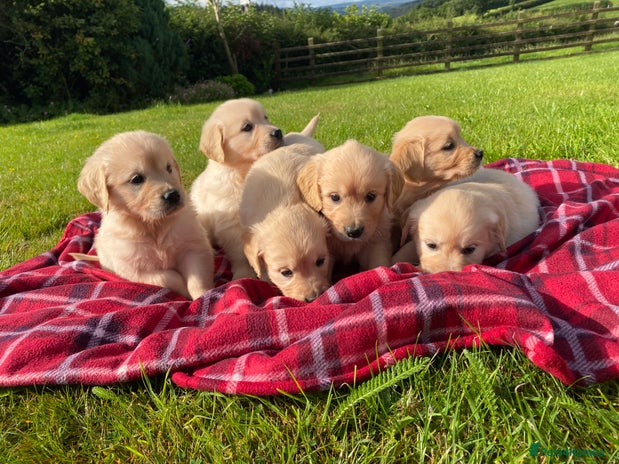
9


Boost
⭐️ Beautiful Golden Retriever Puppies ⭐️
£990Golden Retriever8 weeks3 male / 3 female
My gorgeous Jeno has given birth to 6 beautiful golden retriever puppies! She has 3 boys and 3 girls and they are all fit and well and growing everyday! She has been a fantastic mother, looking after all her little pups. I am looking for a forever home for these adorable puppies. If they are anything close to their mother, you will be smoothered with love. Jeno is a kindJOHN T.ID verified
Lampeter, Ceredigion
Licensed Breeder
371


Boost
Chipoos - 1 BOY LEFT
£2,000Chipoo3 months2 male
Chi-Poos / Chihuahua x Toy Poodles. Here i have available 2 of the most exquisitely cute looking puppies. Pocket sized poochies. Out of the silver dapple long haired Chihuahua mummy and my Toy Poodle Stud dog. These puppies are certainly not to be missed if you are looking for something dinky and different. Both parents are genetically health tested clear of all hereditarFir Trees Poodles & PawsID verified
Clitheroe, LancashireLicensed Breeder

141


Boost
10 Hungarian Vizsla puppies - 6 boys & 4 girls
£1,500Hungarian Vizsla3 weeks6 male / 4 female
Our beautiful girl has had 10 stunning puppies - 6 boys & 4 girls They are all doing extremely well and she’s being a great mother to them. All puppies are becoming well socialised and handled. Luna is an amazing family dog, she is energetic, fun and playful when out on walks, but can also be a chilled dog around the home and will relax on the sofa with you. She has alwLIANA D.ID verified
Buxton, Derbyshire...
.........
Recommended for you
- blue shar pei
- british blue cat
- caucasian shepherd dog in kent
- blue pocket bully
- devon rex in kent
- dogs in kent
- cocker spaniel in kent
- bedlington terrier in kent
- pedigree vizsla
- whippet in kent
- english toy bulldog
- grey whippet
- havanese puppies for sale in northern ireland
- toy yorkshire terrier
- blue chow chow
- labrador retriever in glasgow
- rabbits in london
- shihpoo black
- rottweiler in cornwall
- toy poodle in glasgow
- ferret in cornwall
- shar pei in glasgow
- white staffy
- pomeranian in glasgow
- all black doberman