Lovebirds Birds for sale
Lovebirds, also known simply as love birds, are small, vibrant parrots originating from the African continent. These birds are renowned for their strong pair bonding and affectionate nature, which is what gives them their charming nickname. Physically, lovebirds are compact with a stocky build, often displaying a bright green plumage with various species showing distinctive colour patches such as peach, blue, or rosy faces. Their size and colourful feathers make them a popular choice among bird enthusiasts in the UK. Temperamentally, lovebirds are lively, social, and playful creatures that thrive in pairs or groups. They are known for their affectionate behaviour, often seen cuddling or grooming their partners, making them a symbol of love and companionship. As pets, they require spacious cages, mental stimulation, and social interaction to remain happy and healthy. Their suitability for UK bird keepers comes from their manageable size and engaging personalities, although prospective owners should be prepared for their noisy calls and exercise needs. Keywords to note: lovebirds for sale, love birds price, peach faced lovebird for sale, rosy-faced lovebird price.
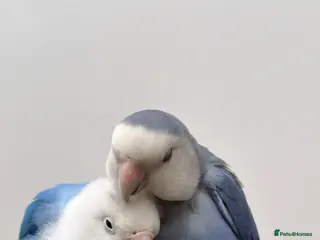
Pair of Lovebirds
Lovebirds
The cute pair of female and male lovebirds are for sale. They are semi tamed (so they come onto our arms, hands, shoulders etc and play with us, but they won’t let you grab them) They are cage-free.

Beautiful hand tame hand reared love bird chick
Lovebirds
Beautiful hand tame hand reared love bird chick i have been hand feeding from 10 days old it was a single chick in the nest so has had a lot of time spent on it i dont know the sex fully weaned ready
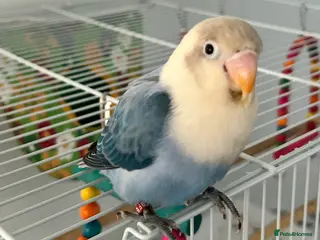
1 year old opaline female lovebird with cage
Lovebirds
Comes with cage and accessories female lovebird just over a year old beautiful colouring blue opaline
FAQs
Should I get 1 or 2 lovebirds?
Deciding between one or two lovebirds depends on your lifestyle and availability. A single lovebird can bond closely with you if you provide daily interaction, play, and mental stimulation. However, if you have limited time, a pair of lovebirds might be better as they entertain and bond with each other, reducing loneliness but potentially showing less interest in human interaction. If keeping two, introductions should be gradual and supervised to avoid fights, and be aware that pairs may breed, which requires additional consideration.
How much does one lovebird cost?
Are lovebirds easy to care for?
Which lovebird species is the least aggressive?