



1 / 3
Meet Richard R.
Why Choose our birds ?
I have over 35 years of experience in taming and training birds,
My birds have training session on daily basis, kids friendly as my children spend time with them daily,
I am skilled in understanding bird behavior, building trust, and gently training them to become friendly.
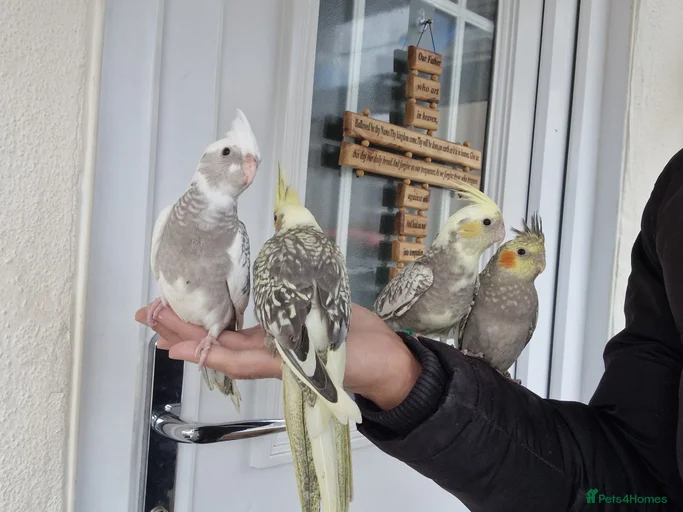
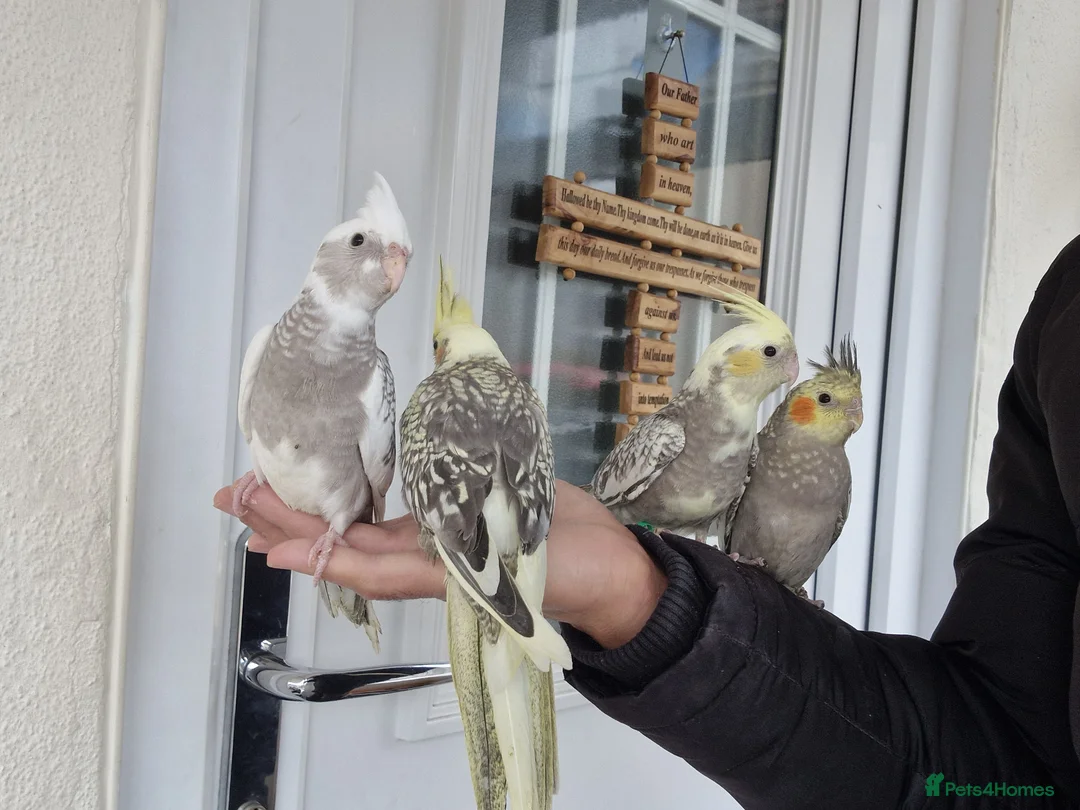
All our babies are handled daily from a young age, making them calm, friendly, and ready to bond with you.
Fully Independent: We ensure every bird is fully weaned and eating on their own before they go to their new homes.
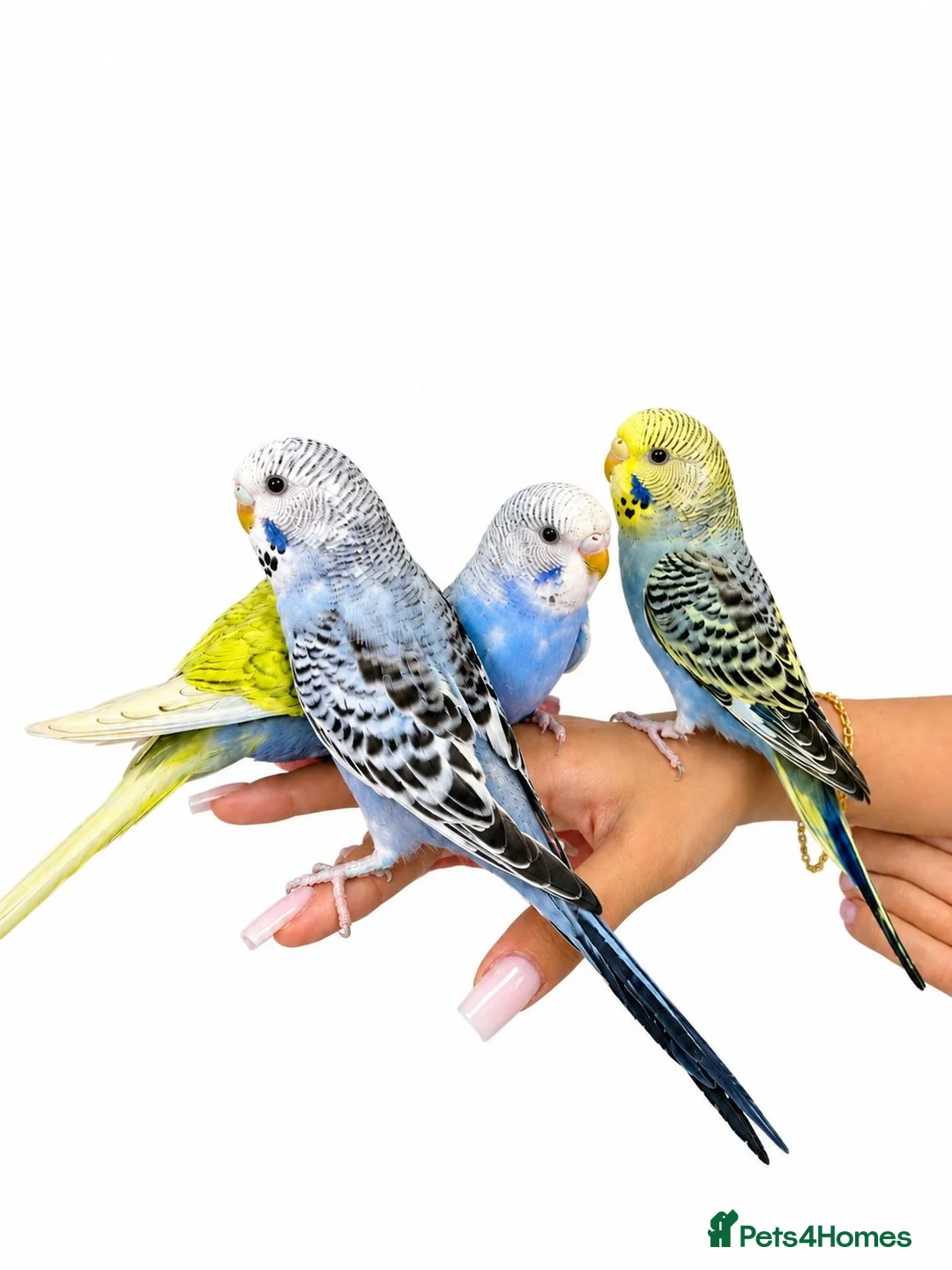
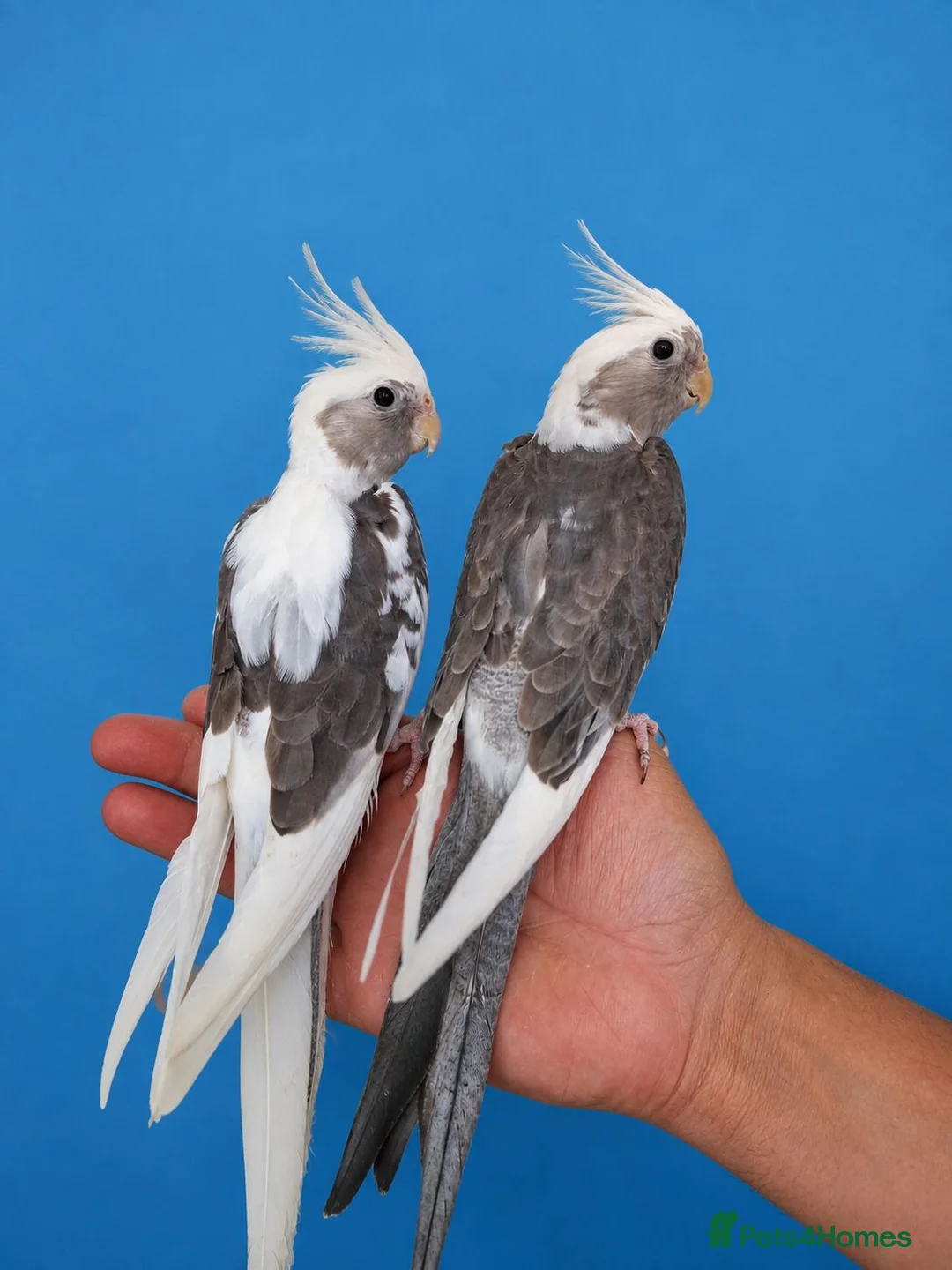
Beautiful colors and mutations available.
Healthy & Active: Raised in a clean, loving environment with a high-quality diet.
we take the time to help you find the perfect friendly bird.
Complete Guide for First-Time Budgie Owners
Care, Feeding, and Raising Baby Budgies
Budgies, also known as parakeets, are small, colorful, and affectionate birds that make wonderful pets—especially for beginners. However, many first-time owners underestimate the level of care, attention, and knowledge these birds require. Whether you have just welcomed an adult budgie into your home or are raising a baby budgie, proper care is essential for ensuring their health, happiness, and long lifespan.
1. Preparing the Right Environment
Creating a safe and comfortable living space is the foundation of good budgie care.
Cage Size:
Choose a spacious cage that allows your budgie to move freely and stretch its wings.
Place the cage in a quiet but active area of your home where your budgie can feel included. Avoid direct sunlight, cold drafts, kitchens, smoke, and strong fumes.
Perches and Toys:
Provide natural wooden perches of varying sizes to promote healthy feet. Include toys such as swings, bells, mirrors, and chew toys to keep your budgie mentally stimulated and prevent boredom.
2. Feeding and Nutrition
A balanced diet is crucial for your budgie’s overall health.
Fresh Fruits and Vegetables:
Offer fresh foods daily, such as spinach, carrots, broccoli, and apples (without seeds). Wash all produce thoroughly before serving.
Clean Water:
Always provide fresh, clean water. Change it daily to prevent bacteria buildup.
3. Special Care for Baby Budgies
Baby budgies (chicks) require extra attention and delicate care.
Warmth:
Young chicks cannot regulate their body temperature. Keep them in a warm environment (around 35°C for very young chicks),
4. Hygiene and Cleaning
Cleanliness plays a major role in preventing illness.
Clean the cage at least once a week
Remove leftover food daily.
5. Social Interaction and Training
Budgies are highly social birds and thrive on interaction.
Spend time talking to your budgie every day
Begin hand-taming slowly and gently
Use treats to build trust and positive associations
Avoid sudden movements or loud noises that may frighten your bird
6. Health and Signs of Illness
Monitoring your budgie’s health is essential.
Signs of a Healthy Budgie:
Active and playful behavior
Bright, alert eyes
Smooth, well-kept feathers
Regular eating and chirping
Warning Signs:
Fluffed-up feathers for long periods
Loss of appetite
Lethargy or inactivity
Breathing difficulties
If you notice any of these warning signs, consult an avian veterinarian immediately.
7. Sleep and Routine
Budgies need consistent rest and routine to stay healthy.
Provide 10–12 hours of sleep each night
Cover the cage to create a dark, calm sleeping environment
Maintain a consistent daily schedule for feeding and interaction

ID Verified
This breeder has verified their identity with Pets4Homes, so you can be confident you’re dealing with a real, responsible seller.

Trusted breeder
Highly rated by buyers with a proven record of pets finding loving homes.
3 Active Adverts


3 Reviews
All reviews are from verified Pet Payment purchases from Richard R..5.0