Snails Invertebrates for sale
The Giant African Land Snail, also known simply as the African Snail, originates from East Africa and is renowned for its impressive size and adaptability. Physically, these snails boast a robust, conical shell that can grow up to 30cm, often marked with distinct bands of brown and cream. Their soft bodies are usually a pale beige, with a slow but steady movement typical of land snails. Temperament-wise, Giant African Snails are gentle and non-aggressive, making them popular as exotic pets. They are hermaphrodites requiring a partner for reproduction, which involves a fascinating mating process including the exchange of sperm. These snails thrive in warm, humid environments, necessitating careful habitat management, including adequate moisture and a diet rich in vegetables and calcium. Due to their rapid breeding rate and care needs, they are suitable for responsible pet owners who can commit to their upkeep. Keywords such as “giant african land snail for sale,” “african land snail for sale,” and “snails for sale UK” reflect their popularity in the UK market where enthusiasts seek these unique pets for their distinctive characteristics and manageable temperament.
Giant land snails
Snails
These little slimy legends make awesome, low-maintenance pets -- fun to watch and super easy to care for! Eating well and they need calcium in their enclosure at all times Only £1 each or grab 6 for
![Snails invertebrates Helix aspersas [rare garden snails] For sale - Advert 2](https://assets.pets4homes.co.uk/originalImages/8e576ef2-f684-4f6a-86c0-49efab774e54/originalImage.jpeg?format=webp&width=640&height=240&fit=bounds&crop=4%3A3%2Coffset-y30&quality=75)
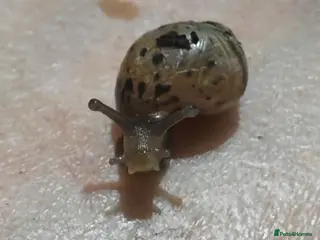
Helix aspersas [rare garden snails] For sale
Snails
I am located in Dereham in Norfolk and I am selling garden snails. Postage is £6.00 but you can feel free to collect. Message me if you have any questions.😁 I am selling the following listed below
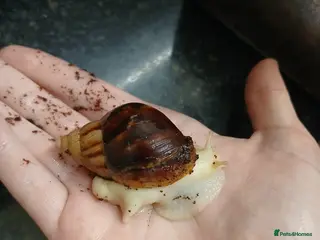
Giant African land snails for sale
Snails
Giant african land snails for sale in dereham Norfolk postage is £6.00 for the snails and £8.00 for the starter kits you can also collect I currently have the snails listed below - 2 lissachatina
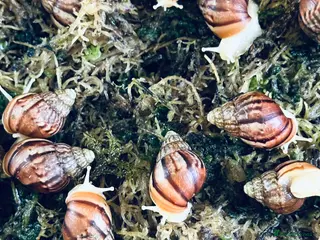
Albino Giant African Land Snails
Snails
Giant African land snails for sale – a unique and fascinating pet that’s perfect for kids and beginners! The ones I have available are babies at around 3cm, and they’re the stunning albino variation w
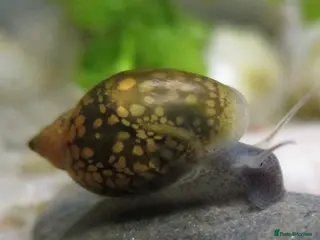
Aquarium snails
Snails
AQUARIUM CLEANERS Jewel Bladder snails are really good at cleaning your tank. These fresh water snails will eat anything. Decaying plant matter, fish waste and algae. They are quite entertaining and u
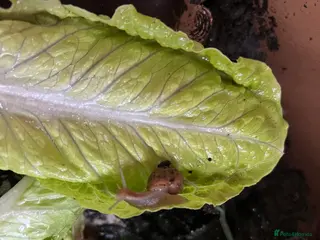
Juvenile Giant African Land Snails
Snails
These little guys make the perfect pet, they eat like there is no tomorrow but they are great little pets, obviously I would recommend doing your research and I can answer any questions. £5 for 3 £15
FAQs
Is a snail an invertebrate?
Yes, a snail is an invertebrate as it lacks a backbone. It belongs to the class Gastropoda within the phylum Mollusca, which includes soft-bodied animals often protected by a shell.
What is the classification of a snail?
Can a snail live without its shell?
Can snails feel physical pain?