Female Sheep Livestock for sale
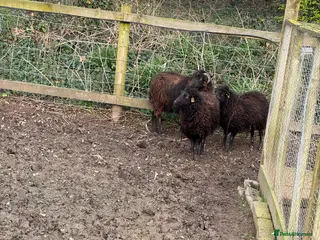
Sheep, also sometimes referred to as lambs or ewes, have been an integral part of agriculture in the United Kingdom for centuries. Originating from wild ancestors in Southwest Asia and Europe, these animals were domesticated primarily for their wool, meat, and milk. Characteristically, sheep have thick fleece, which is highly valued in the wool industry; they vary in colour from white to black and come in multiple breeds catering to different needs. Known for their gentle and calm temperament, sheep are sociable animals, often flocking together, making them easier to manage. They are well suited for both small family farms and larger agricultural businesses. The British climate is ideal for raising sheep due to its temperate conditions and ample grazing land. Key care involves regular health checks, shearing of wool typically once a year, and adequate shelter during harsh weather. Keywords such as "sheep for sale," "lambs for sale," and "pet sheep" underline the ongoing demand within the UK market, whether for farming or as gentle pets. Overall, sheep remain a versatile and valuable livestock option, appreciated for their wool quality, adaptability, and peaceful nature.
FAQs