Filter
Type of listing
Breed Type
Breed
Your location
Distance from you

County

Keyword
0/100 characters
Average Breeder Reviews
Price
£
from
£
to
Popular filters
Sex
Age range
Generation

Japanese Akita Inu Puppies for sale

The Japanese Akita Inu, also known as Great Japanese Dog, Akita-ken, is a Spitz type dog that originated in the northernmost mountainous regions of mainland Japan. In fact, there are two types, the American Akita and the Japanese Akita Inu, with the dogs being distinguished by their coat colour. Both are powerful, large dogs that have a large presence everywhere.

Read our Japanese Akita Inu Buying Advice page for information on this dog breed.
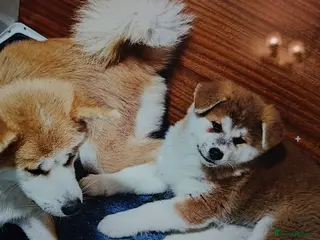
Japanese Akita Inu dogs KC registered Japanese Akita  - Advert 1
9

KC registered Japanese Akita

Japanese Akita Inu

9 monthsAge
1Sex
£500Price

Our beautiful 9 month old Japanese Akita boy is looking for a knowledgeable forever home. He is kennel club registered and comes from champion bloodlines. He is a very sweet, affectionate boy who enj

ID Verified
BedfordBedford (14.6mi)
Japanese Akita Inu dogs Foxy  - Advert 2
4

Foxy

Japanese Akita Inu

1 yearAge
1Sex
£500Price

12 months old Japanese Akita male. House trained and a loving affectionate boy. Having to find him a new home as my personal health has deteriorated and can't give him the exercise he needs.

LutonLuton (31.3mi)
Japanese Akita Inu dogs RCK Registered Japanese Akita Inu Red Puppy Female - Advert 3
64

RCK Registered Japanese Akita Inu Red Puppy Female

Japanese Akita Inu

3 monthsAge
1Sex
£2,000Price

A GOLDEN OPPORTUNITY for a special loving home. Fully Vaccinated and ready to go to her forever loving new home. We have available a gorgeous red female Akita Inu puppy with a confident and loving at

ID Verified
NottinghamNottingham (49.2mi)
Japanese Akita Inu dogs Stunning female  - Advert 4
7

Stunning female

Japanese Akita Inu

1 yearAge
1Sex
£1,500Price

Coco is a 19 mth old red female super temperament,good with other dogs ,house trained ,lead trained ,travels in car etc she is Kc reg and endorsed we are looking for a 5 star pet home for her only

BiggleswadeCentral Bedfordshire (23.3mi)
5.0
Mixed Breed dogs King needs a home  - Advert 5
6

King needs a home

Japanese Akita Inu & Akita Hybrid

1 yearAge
1Sex
£200Price

Due to no fault of his own, king needs a new home. I have recently got a new job and this means I am away from the house for long periods of time and king Isn’t use to this. He hates being at home alo

NuneatonWarwickshire (36.4mi)

FAQs

Can Japanese Akita Inu be good family dogs?

Japanese Akita Inu can be good family dogs due to their loyalty and affection towards family members, including children. However, they are large, strong, and dominant dogs that require experienced owners for proper training and socialisation. They tend to be territorial and aloof with strangers and may show aggression towards other dogs, so careful management is essential, especially in multi-pet households.

Can you own an Akita in the UK?

Yes, you can own an Akita in the UK. It is advisable to purchase from a reputable breeder who meets Kennel Club Assured breeder standards to ensure health and ethical breeding. Adoption from rescue centres is also an option. Owning an Akita requires commitment to their ongoing care, which can average at least £105 per month, covering food, vaccinations, neutering, grooming, and more.

What is the difference between Japanese Akita and Akita Inu?

The terms Japanese Akita and Akita Inu often refer to the same breed, with 'Akita Inu' meaning 'Akita dog' in Japanese. The distinction is commonly made in Western countries to differentiate the traditional Japanese Akita Inu, which has a reserved temperament and finer features, from the American Akita—a larger and more robust variation developed in the US. The Japanese Akita Inu is considered a national monument of Japan.

Why is an Akita so expensive?

Akitas are expensive due to their rarity and strict pure breeding standards, especially for the Japanese Akita Inu. Breeding costs include extensive health tests and responsible care. Additionally, the lifetime costs of feeding, healthcare, grooming, and training add to the expense, and because they require experienced owners, demand is more limited, raising their value.