

Micro Saint Bernard Puppies for sale
4 Puppies found
The Saint Bernard, also known as St. Bernard, Saint Bernhardog, St. Bernhardshund, Bernhardiner, Alpine Spaniel, is one of the largest breeds on the planet and they are known as the famous mountain rescue dogs of Switzerland and the breed is known around the world as the "gentle giant". These charming, larger than life dogs have found their way into the hearts and homes of many people around the world thanks to their friendly, patient and affectionate nature, especially when around children of all ages.
Read our Saint Bernard Buying Advice page for information on this dog breed.


8 Beautiful Saint Bernard pups
Saint Bernard
Gorgeous litter of pups. Mum’s 1st and last litter. 1 Boy 7 girls Vaccinated, microchipped and wormed to date. Fully weaned. Loving homes only please
 81
81Last Male Saint Bernard Puppy READY TO LEAVE NOW
Saint Bernard
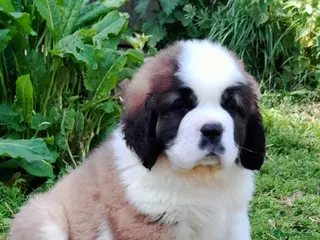
Last Male Saint Bernard Puppy Available Our gorgeous Saint Bernard boy is the last puppy available from the litter and is now looking for his loving forever home. ️ - Male Saint Bernard - 12 week
 27
27Show Quality Saint Bernard's
Saint Bernard
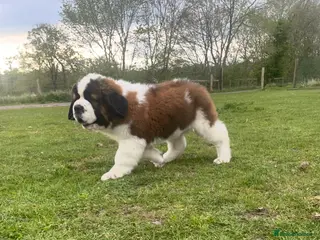
A stunning litter of show quality saint bernard puppies . Mother is here to view. They will be health checked , fully wormed , microchipped and have there 1st vaccination before leaving. KC regist
 26
26Saint Bernard Pups (KC Reg)
Saint Bernard
🌟 Please read to the end🌟 We have 2 beautiful big boned girls available. Our pups are brought up in our loving family home with our children other dogs and cats. We use the puppy culture program t