

1 / 14
7 weeksAge
MixedSex
£65Price
Colony of Macleay's spectres
Stick Insects35 minutes
Stick Insects7 weeksMixed
£65
Replies within 1 hour
Description
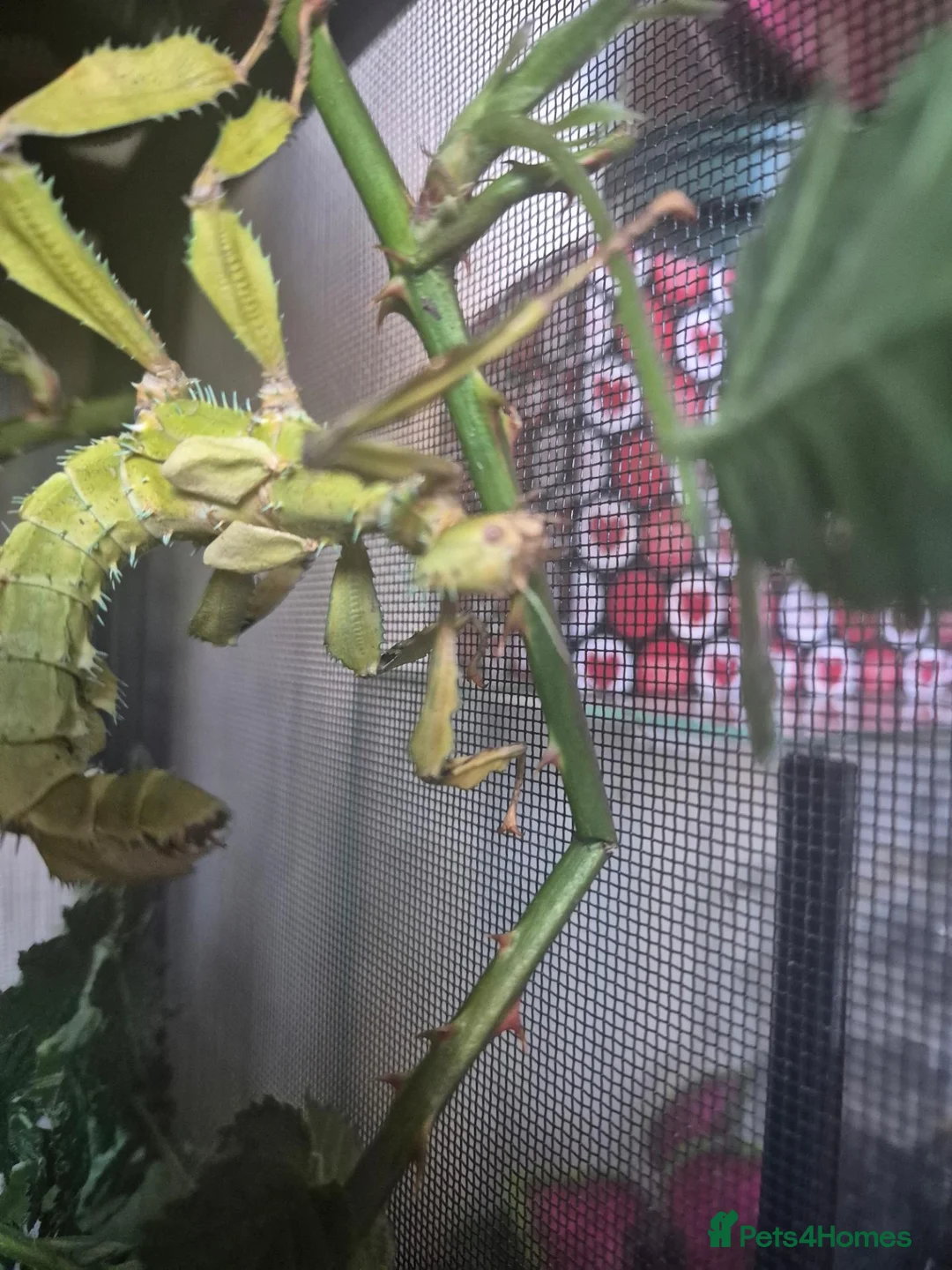
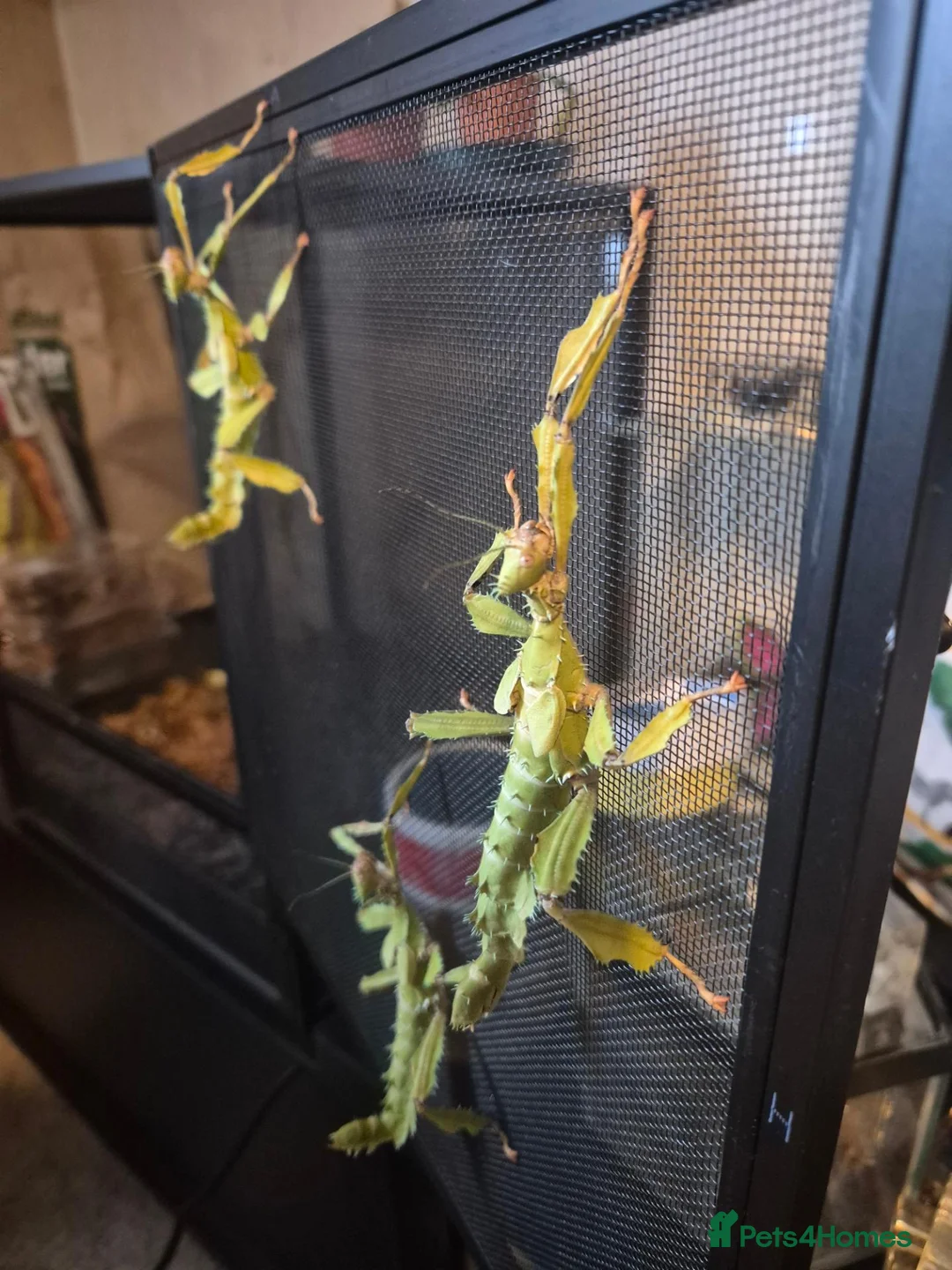
Colony of Macleay's spectres with full set up. Includes springtails on the sub soil to help with stick insect waste naturally.
This currently had 4 sub adult spectres and the full correct and necessary set up.
These were raised from eggs and will soon start to lay their own which will continue the cycle. I have already had one full successful cycle from their parents and these are the next generation of offspring.
All cycle and care below:
The Egg (Ova) Stage
Females flick their seed-like eggs onto the forest or enclosure floor.
◦ Duration:4 to 6 months for fertilised eggs. If no males are present, females reproduce via parthenogenesis (cloning themselves), taking 6 to 12 months to hatch.
◦
◦ Care Requirements: Keep temperatures stable around 20°C to 25°C. Spray base of enclosure lightly with water every few days. Let dry between mistings, as excessive mold is the number one killer of stick insect eggs.
The Nymph Stage
Upon hatching, Macleay's spectre nymphs look and run exactly like aggressive red-headed black ants. This ant mimicry protects them from predators in the wild.
◦ Duration: Approximately 4 to 6 months. They will molt (shed their skin) 5 to 6 times before reaching adulthood.
Feeding: Freshly hatched (1st instar) nymphs have tiny mouthparts and struggle with tough, mature leaves. Feed them soft bramble, or cut/tear the edges of the leaves to make them easier to chew.
◦ Hydration: Spray the enclosure walls with a very fine mist. Avoid massive water droplets, as tiny nymphs can accidentally get trapped and drown in them.
◦ Handling: Avoid handling young nymphs; they are incredibly fast, fragile, and prone to escaping.
3. The Adult Stage
After their final molt, they lose their speed, grow to their impressive full size, and settle into their slow-moving, leaf-mimicking lifestyle.
• Duration: Adults live for about 1 to 1.5 years (females usually outlive males).
Overall setup is already in place but here is the needs to know:
Size: The cage height should be at least three to four times the insect's length, giving them room to hang upside down when shedding their skin. Substrate: Add 1 to 2 inches of a moisture-friendly substrate like coir fibre, chemical-free soil and spagnum moss help manage cleanliness and humidity.
Decor: Include plenty of sturdy sticks, branches, and artificial foliage to climb. I usually put more food than is necessary so the cage is full of climbing options
Ventilation: Use an enclosure with a mesh top or good overall ventilation to prevent stagnant air.
Temperature: Keep them at comfortable room temperature, ideally around 20°C to 25°C.
Humidity: Maintain a humidity level of 60% to 80% by lightly misting the enclosure and leaves with water every day or every few days. Avoid letting the enclosure stay overly soggy, as excessive moisture can be harmful.
Food Plants: Feed them fresh bramble (blackberry), eucalyptus, or privet. I gind this in the wild or orderfrom sellers on ebay. Must ensure NO PESTICIDES FROM ANY SOURCE AND ENSURE NOT TO BRING ANY OTHER CREEPY CRAWLIES LIKE SPIDERS FROM WILD SOURCE THAT MAY HARM YOUR COLONY. Always soak your wild leaves overnight and do a thorough check. They often prefer slightly older leaves rather than brand-new tender shoots. Cut, rip a few for smaller stick insect nymphs
Hydration: Young nymphs and adults drink tiny water droplets from misted leaves, so daily or regular light spraying is essential. Take care when changing food branches so you do not disturb fragile young nymphs
Adv. ID:vo8nkaZpu
Find your pet with Pets4Homes
The secure choice with payment protection and a 6-month health guarantee.
1. IntroductionConnect safely with the seller
2. ViewingArrange to meet your pet
3. ReservationPay securely through us
4. CollectionBring your new pet home
Covered, from screen to sofa
Views
6
Favourites
0
Location
Lancing, West Sussex
Adv. Type
For sale
Age
7 weeks, 6 days
Breed
Stick Insects
Sex
Mixed