

Stick Insects Invertebrates for sale
9 Invertebrates found
 2
2Budwing stick insect eggs only
Stick Insects
These are budwing stick insects, very easy to look after once hatched and great for children. Just need a mesh cage or net butterfly holder and keep at temperature between 25c and 30c with high humi
 41
41Macleays Spectre Stick Insect Nymphs
Stick Insects
I have a bunch of babies hatching & my adults are still laying eggs, so plenty of sticks available for new homes! :) 3 for £8. or if you want a large amount I can do a discount! Super easy to care
 81
81Live stick insects and eggs
Stick Insects
We specialise in captive-bred live insects and insect eggs, with a particular focus on stick insects and leaf insects. We keep and breed a range of fascinating species and supply healthy, established
 2
2Stick Insect Eggs
Stick Insects
These have been laid this month, they lay constantly so I am taking them out every other day. I am selling on behalf of my daughter, and they will be sold in groups of six. Stick insect usually take
 7
7Green Leaf Insect Eggs
Stick Insects
10 Green Leaf Insect eggs: Partly incubated (a few weeks). Keep in a humid environment to incubate well. More eggs are avalable so better prices for more eggs can be established if enquiries are made.
 9
9STICK INSECTS Green Bean, Sabah, Sunny, Choclog
Stick Insects
STICK INSECT NYMPHS (and eggs) Various Species Nymphs Available as follows : SABAH and SUNNY on summer offer....lots available ! GREEN BEAN (DIAPHERODES GIGANTEA) from £2 each SABAH THORNY (Aeret


SOLDOUT:Leaf Insect Nymphs(Phyllium philippinicum)
Stick Insects
[UPDATE as if 14SEP: ALL NYMPHS are now SOLD] £3 each or £15 for 6 nymphs ( £10 next day special delivery postage) Great, easy starter species if you’re getting into leaf insects. Phyllium philipp
 3
3X5 SUNNY STICK INSECTS happy to ship
Stick Insects
sunny stick insects Sungaya inexpectata available for sale!!! these cuties have just hatched around a month ago. when mature they develop beautiful markings which they display. with super easy care ,t
 4
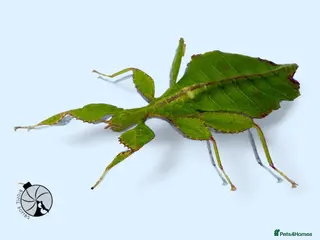
4X2 LEAF INSECTS happy to ship :)
Stick Insects
leaf insects Phyllium phillipicum available for sale!!! these cuties may have hatched any time from now and 2 months ago!! this includes 2 however i always put in a third :) when mature they develop b