Lizard Reptiles for sale in Bakewell, Derbyshire
2 Lizard Reptiles for sale in Bakewell, Derbyshire
The Lizard is a diverse reptile species popular in the UK pet market, often searched with keywords like "lizards for sale," "lizard for sale UK," and "pet lizards UK." Commonly, enthusiasts seek varieties like the Uromastyx and Armadillo Lizard, both known for their unique characteristics. Lizards originate primarily from arid to semi-arid regions worldwide, including deserts in North Africa and Australia. Physically, they exhibit a range of traits such as spiny tails in Uromastyx, or armored appearances in Armadillo lizards, adapted to their harsh natural environments. Temperament-wise, many lizard species are docile and suitable for handling, though individual behaviour varies. Lizards require specific care, including controlled habitat temperatures, UV lighting, and diet tailored to species—herbivorous for Uromastyx and omnivorous for others. They suit reptile enthusiasts willing to provide spacious enclosures and consistent upkeep, making them excellent pets for intermediate keepers in the UK market. Ethical sourcing, favouring captive-bred specimens, is vital for health and temperament, ensuring a positive pet experience.
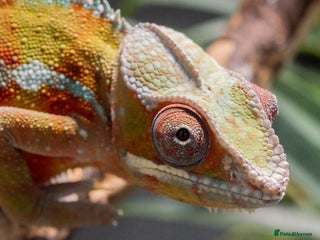
Panther Chameleon Adult Male
Lizard
I regretfully have to sell my beloved Panther Chameleon due to changes in personal circumstances. I have owned him since a baby, and watched him grow into a very friendly and curious individual. He is approximately 2 years old, and has fathered a clutch of eggs, of which I also have one of his Sons listed on here also for sale. I am considering him to be a rehome, and wi
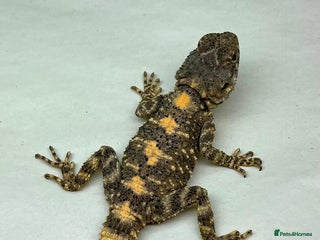
Painted Agamas
Lizard
We have available one male and two female five month old painted agamas. Eating crickets, meal worms, roaches plus salad greens and are very healthy active lizards. We also have 3 unsexed babies that are 6 weeks old. The 5 month old sexed babies are £125 each or £300 for all three. The younger 6 week old unsexed babies are £75 each. We are planning a delivery run down to
FAQs
What are the three native lizard species in the UK?
The three native lizard species in the UK are the Common Lizard (also known as the Viviparous Lizard), the Slow Worm which is a legless lizard often mistaken for a snake, and the Sand Lizard which is rarer and primarily found in sandy heathlands.
Do I need to inform my landlord if I get a pet lizard?
Are lizards considered reptiles, and how many types of reptiles are there?
Where can I buy a pet lizard in the UK?